How Can Amira Learning Support Reading Growth?
Amira Learning is worth understanding if your school wants reading practice that does more than put passages on a screen. It combines assessment, AI-supported oral reading practice, targeted instruction, and teacher reports, so the real question is whether your students have the right reading needs, devices, microphones, and teacher follow-up to make those tools useful.
What Does Amira Offer?
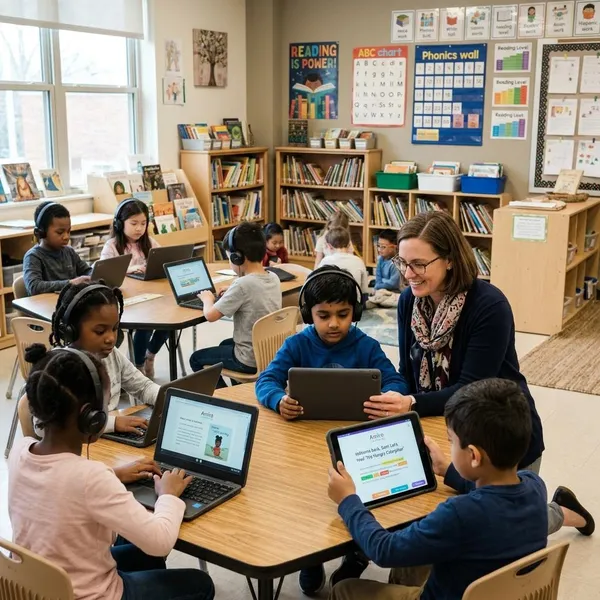
Amira is mainly a school literacy platform, not a simple reading game for families to download. Its value is strongest when assessment, practice, and teacher decisions are connected: a student reads, the platform gathers information, and the teacher uses that information to decide what should happen next.
Amira ISIP Assess for reading assessment
Amira ISIP Assess is used to screen reading skills and monitor growth over time. The useful part is not just getting a score; it is seeing which reading behaviors may need attention, such as accuracy, fluency, or foundational skill gaps.
For a teacher, the next-step question matters most: does the student need phonics support, more oral reading practice, closer progress monitoring, or a different intervention? A good assessment should make that decision easier, not just add another data point.
Amira Instruct for targeted lessons
Amira Instruct gives students lessons tied to their reading needs. That matters because two struggling readers may need very different practice: one may stumble over unfamiliar words, while another reads the words correctly but loses meaning.
If a school plans to use Amira only as occasional extra screen time, this feature may be underused. It works better when teachers actually review the data and connect assigned lessons to classroom reading goals.
Amira Tutor for reading practice
Amira Tutor is the part students are most likely to notice because it listens while they read aloud. When a student hesitates, misreads, or loses the flow of a passage, the platform can respond during the session rather than waiting until later.
This is most useful for students who need repeated oral reading practice but cannot always sit one-on-one with a teacher. It should still be treated as supported practice, not as a replacement for teacher-led reading instruction.
Reports for tracking progress
Reports help teachers see whether students are completing work, improving, staying flat, or continuing to struggle in a specific area. The best use is practical: adjust groups, choose follow-up lessons, or decide whether a student needs more direct support.
How Students Use Amira
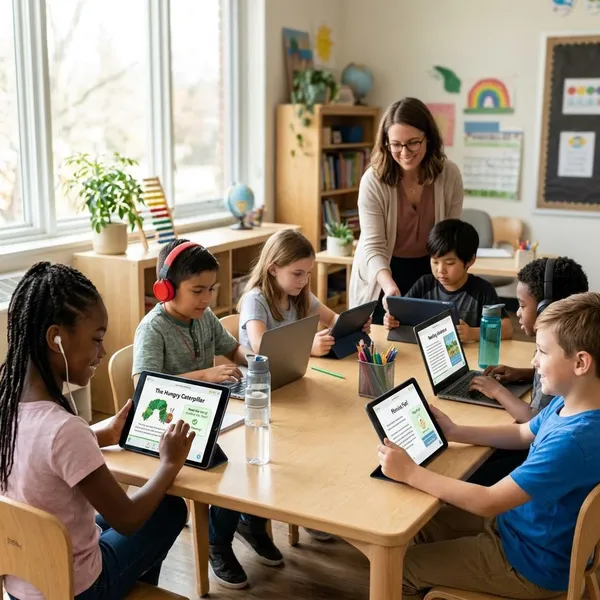
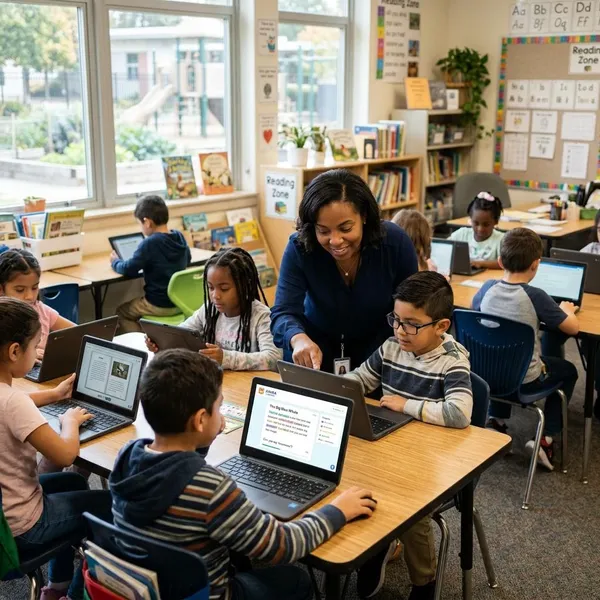
Most students use Amira through a school account. A smooth session depends on four simple things: the student can sign in, the microphone works, the assigned task is clear, and the teacher reviews the results afterward.
Sign in and check the microphone
Students usually sign in through a school portal, district dashboard, or single sign-on system. If the assignment does not appear, the first contact should usually be the teacher or school technology team, not a new personal signup.
The microphone check is worth doing before every home session. Make sure the browser has permission to use the microphone, the student is close enough to the device, and the room is not full of TV sound, siblings talking, or classroom noise. A headset can make a noticeable difference.
Complete assigned assessments or lessons
After login, students should complete the task their teacher assigned rather than jumping around. The order can matter because assessment results may guide the next lesson or practice activity.
For a child using Amira twice a month, the teacher may get only a limited picture. For a student using it consistently as part of an intervention plan, the data is more likely to show whether the support is actually helping.
Read aloud and receive tutoring feedback
During tutoring practice, the student reads aloud and gets help when the platform detects a problem. The practical benefit is timing: a correction during the reading moment is usually easier for a child to connect with the mistake.
- Good setup: quiet room, clear voice, working microphone.
- Risky setup: noisy background, muted mic, student rushing through words.
- Best follow-up: teacher checks whether errors are reading issues or audio problems.
Review progress with a teacher
Teacher review is what keeps Amira from becoming just another digital task. A platform can flag patterns, but a teacher decides whether those patterns reflect decoding trouble, language background, distraction, fatigue, or a technical issue.
This is especially important for students who feel discouraged by mistakes. If the platform keeps mishearing them, or if the same skill stays weak across sessions, the teacher should step in and look at the full picture.
What to Check Before Choosing Amira
Before choosing Amira, check fit before features. The platform may look strong on paper, but it needs the right students, language support, devices, staff training, and privacy practices to be a good choice.
| Check first | Why it matters | Practical question to ask |
|---|---|---|
| Reading need | The tool should match the actual literacy problem. | Are students struggling with fluency, decoding, screening, or broader comprehension? |
| Audio setup | Oral reading tools depend on clear speech capture. | Do students have reliable microphones or headsets? |
| Teacher use | Reports only help if someone acts on them. | Who will review data and adjust instruction? |
| Privacy | Student reading data and audio-related activity require careful handling. | What data is collected, stored, shared, and protected? |
Grade levels and reading needs
Amira may be used across K-12 settings, but grade level alone is not the best way to judge fit. A younger student may need early decoding and fluency support, while an older student may need intervention that does not feel babyish or disconnected from classroom expectations.
The clearest adoption case is when a school can name the reading need before buying the tool. "We need better oral reading progress monitoring for intervention students" is a stronger reason than "we want an AI reading product."
English and Spanish options
Schools serving bilingual or multilingual students should confirm exactly which Amira tools support English, Spanish, or both. Do not assume every feature, report, student activity, or family communication is available in the same languages.
Device and microphone requirements
Because Amira relies on students reading aloud, technical readiness matters more than it does for a basic worksheet-style app. Check the device, browser permissions, microphone, internet connection, and whether students will need headsets in shared spaces.
Evidence of reading improvement
Schools should ask for current evidence, not just product claims. Useful evidence may include research reports, implementation results, case studies, or district outcomes that show how students improved and under what conditions.
No reading platform guarantees growth for every student. The better question is whether Amira has evidence for the type of students you plan to serve, the amount of use you expect, and the support model your teachers can realistically maintain.
Teacher support and student data privacy
Teacher support should include more than a login and a quick demo. Staff need to know how to assign work, read reports, respond to patterns, and explain progress to families without turning every data point into a major concern.
Privacy questions also deserve a direct answer before adoption. Ask what student information is collected, whether audio-related data is stored, who can access records, how long data is kept, and what agreements are in place with the school or district.
How to Access Amira Learning
Amira access usually runs through schools or districts. That means students, teachers, and parents have different paths: students use school accounts, teachers manage assignments and reports, and families usually get progress information through the school.
If you are a parent hoping to start immediately at home, this distinction matters. Amira is not typically used like a consumer reading app where you simply buy a subscription, create a child profile, and begin the same day.
Student access through school accounts
Students usually log in with credentials provided by the school. This may happen through a learning portal, district dashboard, or single sign-on system connected to other classroom tools.
If home use is allowed, the same account may work outside school. Before blaming the reading task, check the simple things first: correct login, visible assignment, microphone permission, and a quiet enough place to read.
Teacher access to assignments and reports
Teachers use the management side of Amira to assign assessments or practice, monitor completion, and review performance data. This is where the platform becomes instructional rather than just digital practice.
Parent access to reading progress
Parent access depends on how the school or district sets up communication. Some families may see a portal or shared report, while others may receive updates during conferences, emails, or progress meetings.
If you are a parent, ask for the most practical version of the data: what your child is practicing, whether they are improving, and what you should do at home without turning reading time into a stressful second school day.
School pricing and demo requests
Pricing is generally handled at the school or district level, and costs may depend on the number of students, selected features, and implementation plan. Schools interested in Amira usually request a demo rather than finding a simple public checkout page.
A good demo should show more than the student screen. Ask to see reporting, assignment setup, language options, privacy documentation, training support, and what a realistic first-month rollout looks like.
Conclusion
Amira Learning is most useful when a school has a clear reading goal, reliable audio setup, and teachers who will use the data to guide instruction. If those pieces are missing, even strong AI tutoring features can feel frustrating or shallow; if they are in place, Amira can give students more guided oral reading practice and give teachers a clearer view of progress.